
Heating Systems Built for Code Compliance
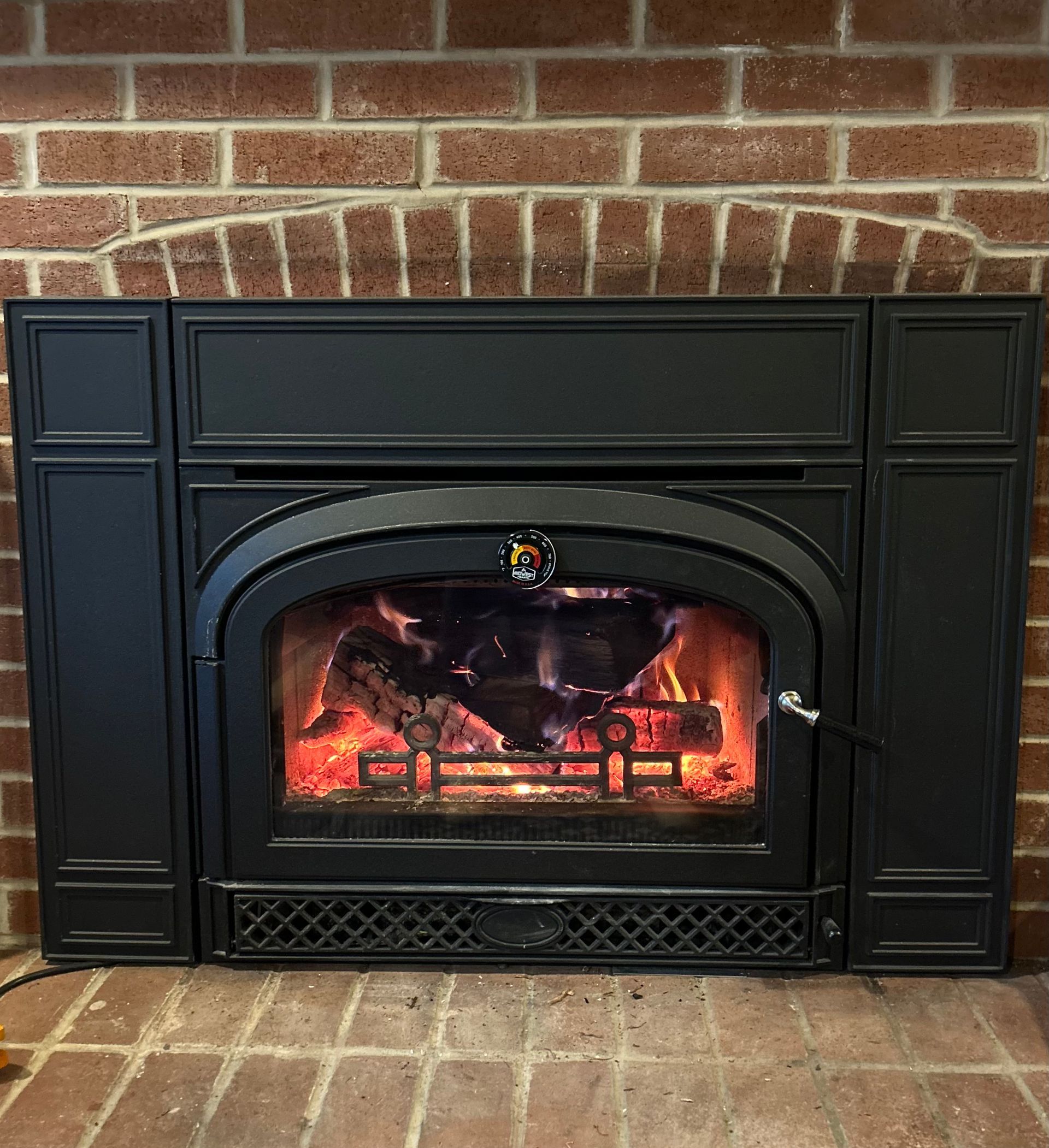
Wood Stove Installation in Downingtown for supplemental heat during cold months with proper venting and clearance
Chester County homeowners install wood stoves to offset heating costs during winter months when natural gas and oil prices increase, but improper installation creates fire risk and carbon monoxide hazards that outweigh any cost savings. The installation process begins with chimney venting assessment to verify that your existing flue can handle wood stove exhaust temperatures and volume, followed by stove placement calculations that maintain required clearance from combustible walls, floors, and furniture. 1 King Chimney Repair installs wood stoves with proper venting, clearance verification, and safety compliance throughout the US Route 30 and Brandywine valley communities where supplemental wood heat remains common in properties with masonry chimneys or appropriate venting infrastructure.
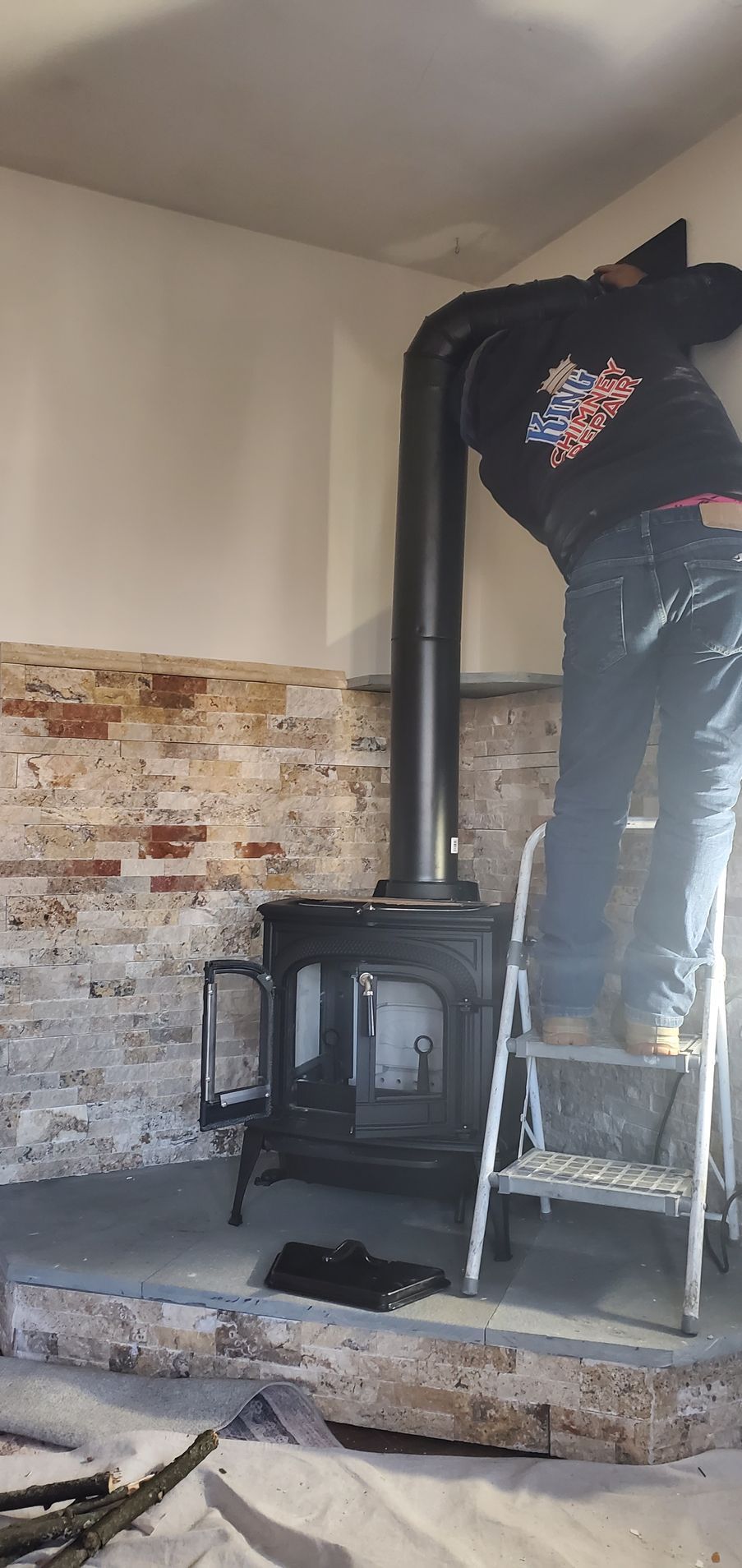
Clearance requirements vary based on stove BTU output and surrounding surface materials—unprotected wood walls require significantly more clearance than surfaces shielded with approved heat barriers. The flue connection must create a secure, gasketed seal that prevents exhaust leakage while allowing thermal expansion, with proper pitch maintained from the stove collar to the chimney thimble. Draft testing after installation confirms that combustion gases vent completely without spillage into the room when you open the loading door.
Request a venting assessment to determine whether your current chimney can safely handle wood stove installation or requires liner upgrades.

What Proper Installation Requires
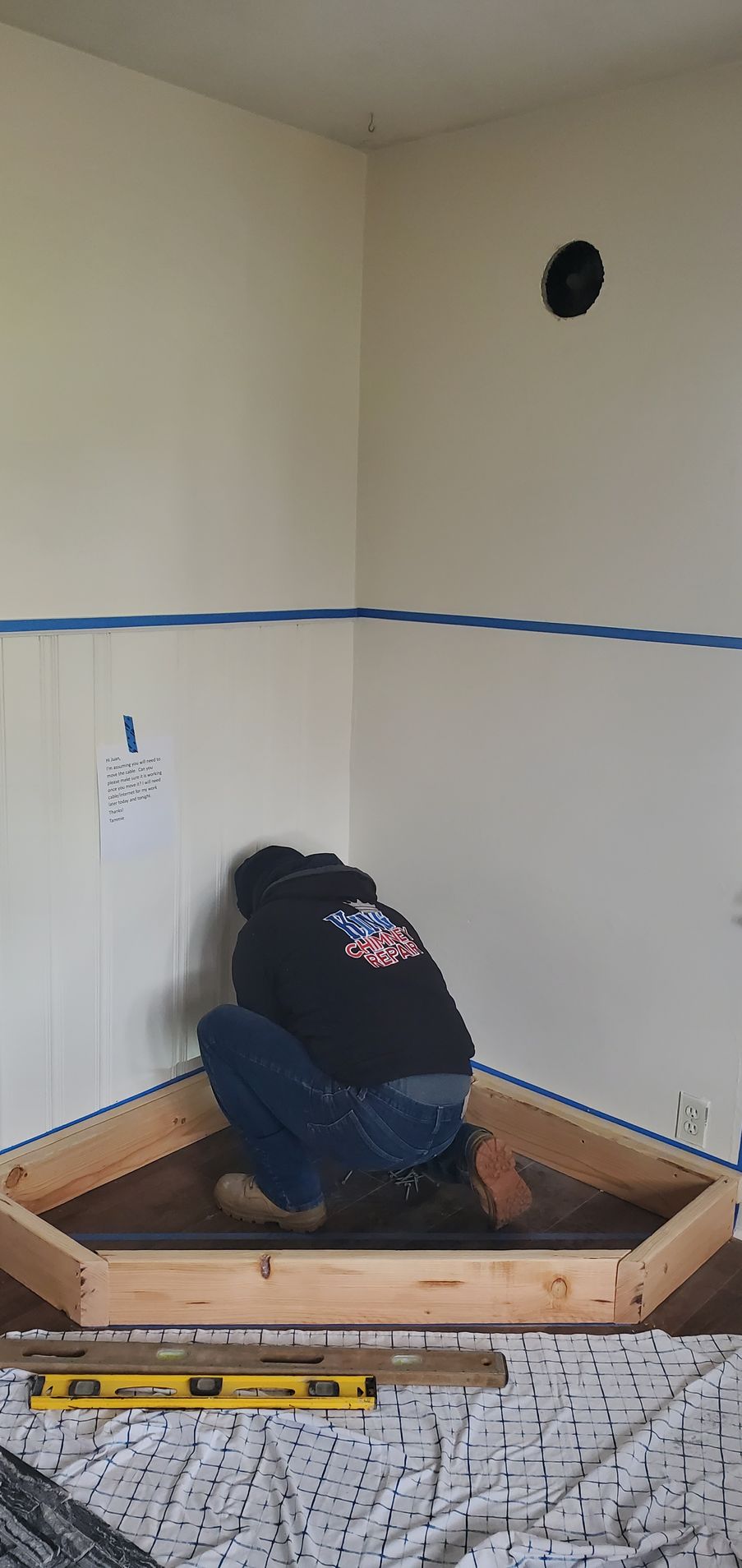
Wood stove installation involves precise floor protection placement using approved materials rated for radiant heat and ember protection, wall clearance verification using manufacturer specifications adjusted for actual construction materials, and flue connector installation with proper length and minimal horizontal run to maintain draft. 1 King Chimney Repair measures clearances to all combustible surfaces and installs heat shields where required to reduce clearance distances in rooms with limited space for standard separation requirements.
After installation, your wood stove operates with strong draft that pulls air into the firebox and vents smoke completely up the chimney without spillage when you open the door to add wood. The stove maintains stable combustion without excessive creosote formation, which indicates that venting is sized correctly and draft is sufficient for the stove's air consumption. You also meet building code requirements that protect your insurance coverage and prevent penalties during property inspections or sales.
The installation includes draft measurement under operating conditions to verify that your chimney height and diameter create adequate draw for the stove model installed. Insufficient draft causes smoking and incomplete combustion that wastes wood while creating indoor air quality problems, while excessive draft consumes wood too quickly and can overheat the stove beyond safe operating temperatures.
What Property Owners Usually Ask
Homeowners adding wood heat in Downingtown often need guidance about venting requirements, clearance standards, and when existing chimneys require modification before stove installation.
Do I need a chimney liner for my wood stove in Downingtown?
Most masonry chimneys require stainless steel liner installation because wood stoves produce higher exhaust temperatures than the fireplaces originally served by clay tile flues, and oversized flues cause draft problems that lead to creosote accumulation and smoking issues.
What floor protection is required under a wood stove?
Non-combustible floor protection must extend at least 18 inches beyond the stove on all sides, with specific requirements varying based on stove leg height and whether the floor protection includes an air gap for thermal insulation beneath the surface material.
How much clearance is needed between a wood stove and the wall?
Clearance to unprotected combustible walls ranges from 24 to 36 inches depending on stove output and design, but can be reduced by half or more when approved heat shields are installed with proper air space between the shield and wall surface.
Why does my wood stove smoke when I open the door?
Door smoking indicates insufficient draft caused by undersized chimney diameter, inadequate chimney height, or flue blockage from creosote or debris—proper installation includes draft testing to verify adequate draw before completing the project.
Can I install a wood stove myself to save money?
Building codes in Chester County require permitted installation by qualified professionals who verify clearances, venting integrity, and draft performance—improper installation voids manufacturer warranties and creates liability that standard homeowner insurance policies may not cover after a fire or carbon monoxide incident.
1 King Chimney Repair handles wood stove installations with complete venting system evaluation, clearance verification, and draft testing to confirm safe operation before you begin using the unit for heating. Set up a consultation to review your space and chimney configuration for proper wood stove installation planning.