
Water Shedding That Prevents Interior Damage
Chimney Cap Installation in Downingtown for moisture infiltration and animal intrusion at the flue opening
Rain entering an uncapped chimney travels down the flue and absorbs into masonry, where it causes mortar deterioration, rust damage to dampers, and white mineral staining on fireplace brick that indicates active water infiltration. 1 King Chimney Repair installs chimney caps and crowns to block water, debris, and animal entry at the flue opening where seasonal moisture infiltration creates the most severe damage. Chester County winter weather delivers freezing rain and snow that accumulates on flat chimney tops, then melts and flows directly into uncapped flues where it accelerates the freeze-thaw deterioration already affecting aging masonry throughout Downingtown, Coatesville, and Malvern.
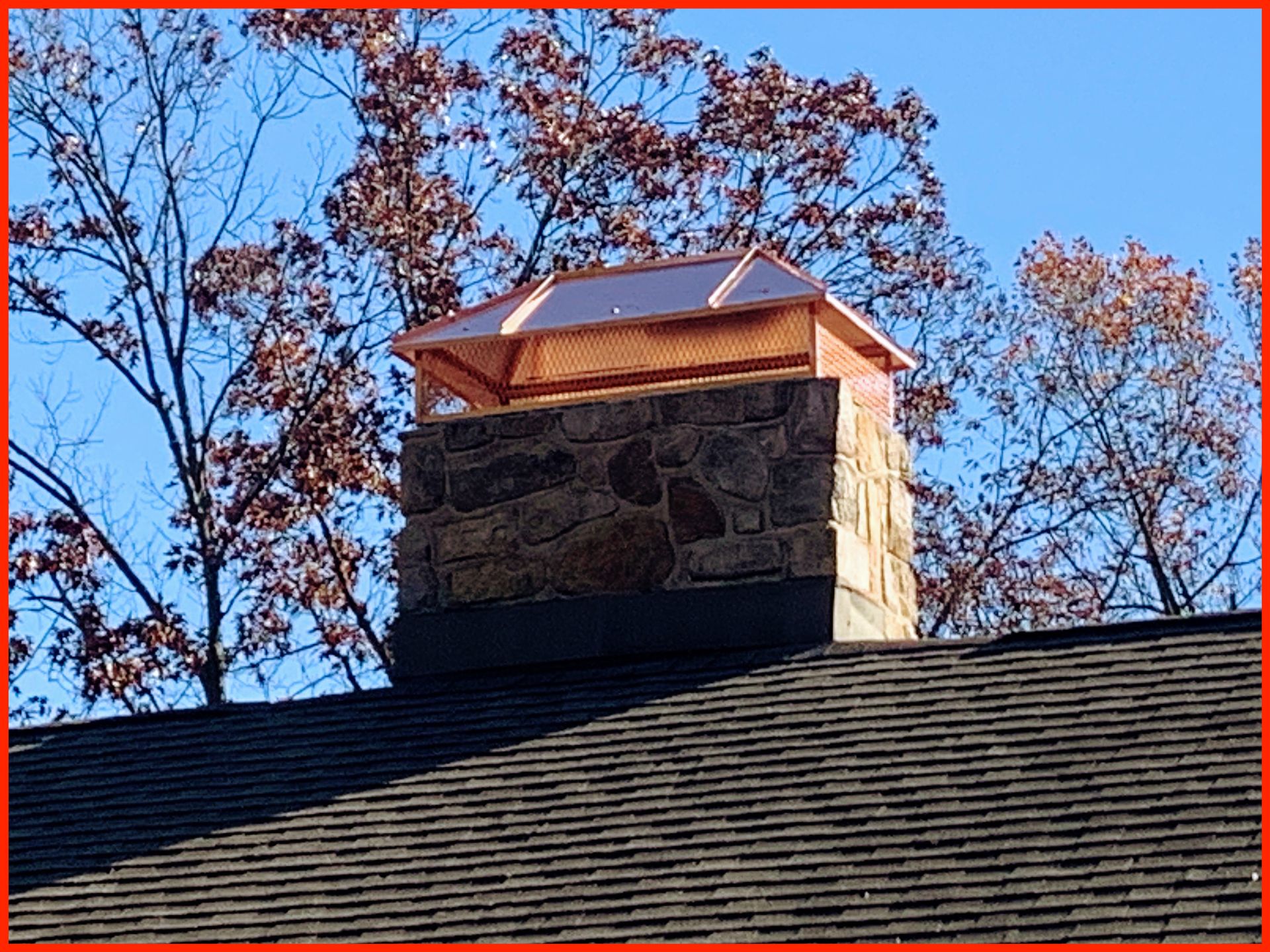
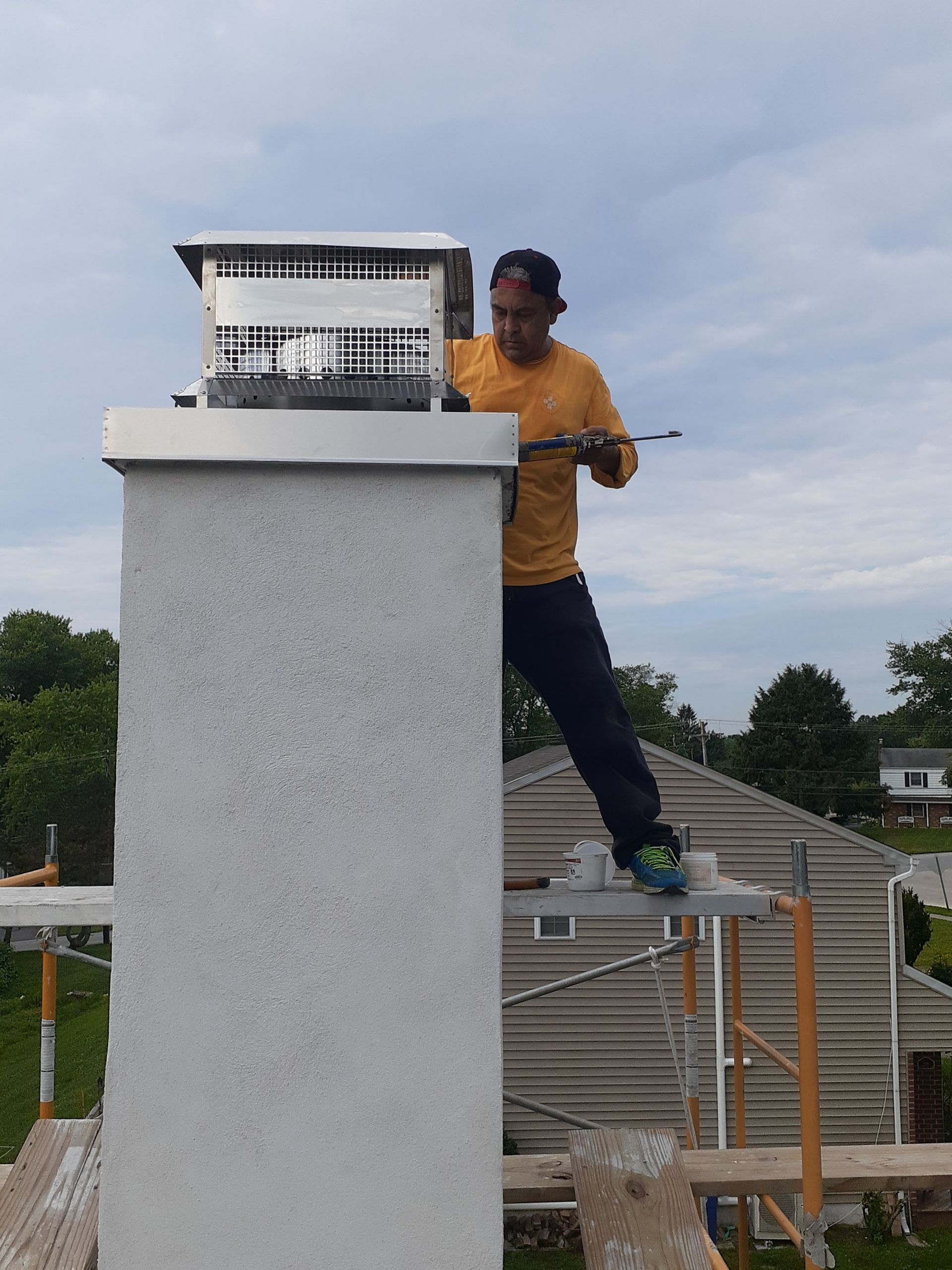
Cap installation begins with crown flashing repair to ensure water sheds away from the flue opening rather than pooling where the cap mounts, followed by precise measurement to match the cap to your flue dimensions and configuration. Stainless steel or copper caps are secured with proper slope and drainage designed to handle heavy rain and snow load without allowing moisture entry. The cap mesh prevents bird and squirrel nesting while maintaining open area sufficient for proper draft—undersized mesh can restrict airflow and cause smoking, while oversized openings allow animal intrusion that blocks the flue with nesting materials.
Schedule a cap installation consultation to verify your crown condition and determine appropriate cap sizing for your chimney configuration.

What Changes After Cap Installation
The installation creates a weather-tight barrier that prevents rain from entering the flue while allowing combustion gases to vent freely through the mesh sides. Proper slope on the cap top sheds water away from the flue opening toward the chimney edges where it drains onto the roof surface rather than soaking into mortar joints. This addresses the primary cause of accelerated deterioration in Chester County chimneys, where repeated wetting and drying cycles break down mortar composition and allow deeper water penetration with each rain event.
After cap installation, you eliminate the moisture-related odors that occur when wet creosote and masonry release compounds during humid months. Your damper operates smoothly without the rust buildup that occurs when water drips onto cast iron components, and you prevent the ceiling stains and wall damage that appear in rooms adjacent to chimneys with severe water infiltration. The mesh barrier also stops the bird and squirrel activity that creates fire hazards when animals pack the flue with leaves and twigs during nesting season, which blocks venting and causes smoke to backdraft into your home when you attempt to use the fireplace.
Cap installation is often combined with crown repair, which addresses the concrete surface surrounding the flue where cracks allow water to penetrate before reaching the cap. The complete system extends chimney lifespan by decades compared to uncapped structures that experience continuous water exposure.
Questions Before Starting Your Project
Property owners in the Downingtown area often need clarification about cap types, crown requirements, and how installation affects existing chimney damage.
Why do chimneys need caps if they have crowns?
Crowns shed water away from the flue opening but cannot prevent rain from falling directly down the flue interior, which requires a cap with overhead coverage and properly sized mesh to block moisture while maintaining draft.
What is the difference between stainless steel and copper caps?
Stainless steel offers durability at lower cost and resists rust in Chester County weather conditions, while copper provides longer lifespan with natural patina development that some homeowners prefer for aesthetic reasons on visible chimneys.
How does cap mesh size affect fireplace performance?
Mesh must be fine enough to exclude animals but open enough to allow smoke particles and combustion gases to pass through without restriction—improperly sized mesh causes draft problems that force smoke back into the room during fireplace use.
Can a cap be installed on a damaged crown?
Minor crown cracks can be sealed during cap installation, but severely deteriorated crowns require reconstruction to provide stable mounting and proper water shedding away from the flue—1 King Chimney Repair evaluates crown condition before recommending the appropriate repair sequence.
What happens if animals are already nesting in my chimney?
The flue must be cleared of all nesting materials before cap installation to prevent blockages that restrict venting, which involves complete debris removal and verification that the flue is fully open from appliance connection to termination point.
1 King Chimney Repair completes chimney cap installations with crown flashing repair and proper drainage slope throughout the US Route 30 corridor and Brandywine valley communities. Call our office to schedule an installation assessment and protect your chimney from ongoing water damage this season.