
Venting Built to Meet County Standards
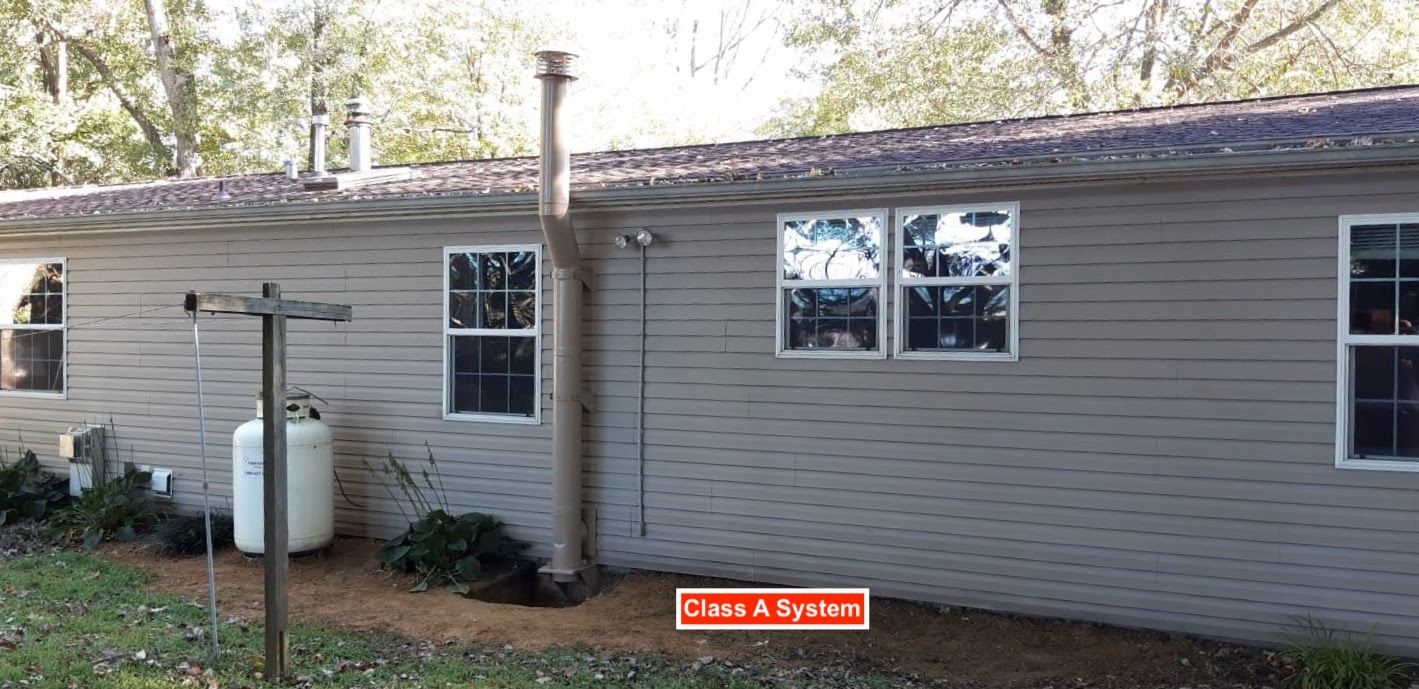
Class A Chimney Stack Installation in Downingtown for wood-burning appliances that require code-compliant venting
Chester County codes require Class A chimney construction for residential wood-burning appliances because improper venting creates fire risk and structural failure over time. 1 King Chimney Repair installs Class A chimney stacks in Downingtown for homes that need compliant venting systems or are replacing deteriorated masonry chimneys. Class A pipe is engineered with multiple insulated layers to contain high flue temperatures while keeping exterior surfaces cool enough to meet clearance requirements near combustible materials.
Installation begins with calculating required chimney height and clearance based on roofline and appliance specifications, then assembling Class A pipe sections with locking bands and securing the stack with support brackets fastened to exterior wall or roof framing. Flashing is integrated at the roofline to seal against weather infiltration, and a cap is installed to prevent rain entry and animal nesting while maintaining proper draft.
Arrange an on-site consultation to review chimney height requirements and determine the best routing for your appliance venting.
Why Class A Construction Works for Long-Term Venting
Class A pipe is built with triple-wall construction that includes an inner flue liner, insulation layer, and outer casing, allowing it to handle continuous high temperatures without transferring dangerous heat to nearby building materials. Support brackets are installed at intervals to prevent stack movement during wind events or thermal expansion, and each pipe joint locks with a twist-lock or bolted connection to prevent separation during temperature cycling.
Once installation is finished, the chimney maintains consistent draft regardless of outdoor temperature, and the insulated design prevents creosote buildup that occurs when flue gases cool too quickly in uninsulated systems. The exterior remains cool to the touch even during sustained burning, and the cap keeps rain and debris out while allowing smoke to exit freely.
Class A installation differs from masonry chimney construction in that it can be completed faster, costs less, and does not require a dedicated foundation because the pipe is lightweight and roof-mounted. However, it must still meet minimum height above roofline and clearance from roof surface as specified by building code and appliance manufacturer requirements.
Answers to Frequent Service Questions
Homeowners in the Route 1 corridor and Kennett Square area often ask about code requirements and installation specifics before moving forward with Class A stack projects.
What makes Class A pipe different from single-wall stovepipe?
Class A pipe is triple-wall insulated and rated for continuous high-temperature use through all structure penetrations, while single-wall stovepipe is only approved for interior use between the appliance and the ceiling with strict clearance to combustibles.
How high does the chimney need to extend above my roofline?
Chester County code follows the 3-2-10 rule: the chimney must extend at least three feet above the roof penetration and two feet higher than any roof surface within ten horizontal feet.
Can I install Class A chimney pipe myself?
Installation requires knowledge of support bracket placement, flashing integration, and clearance calculations, and most jurisdictions require inspection by a certified installer to verify code compliance before final approval.
How long does a Class A chimney stack last?
Properly installed Class A systems typically last 15 to 20 years in Downingtown climate conditions before insulation breakdown or weather exposure degrades performance and replacement becomes necessary.
Do I need to clean a Class A chimney?
Yes, creosote and ash accumulate inside Class A pipe just as they do in masonry chimneys, and annual cleaning prevents blockage and maintains safe draft during heating season.
1 King Chimney Repair sizes, assembles, and secures Class A stacks with attention to local code requirements and appliance venting specifications. Contact us to confirm height calculations and flashing details for your specific roofline and appliance type.