
Stop Heated Air From Escaping Unused Chimneys
Chimney Damper Installation in Downingtown for fireplaces that lose heat when not in use
A worn or missing chimney damper allows heated air to escape through the flue even when your fireplace sits idle, raising heating costs throughout Chester County's winter months. 1 King Chimney Repair installs and repairs chimney dampers in Downingtown to control draft and seal the flue when the fireplace is not in use. The damper sits just above the firebox and operates with a lever or chain to open during burning and close afterward, preventing conditioned air from venting outdoors.
Installation begins with assessing damper type based on your chimney construction and measuring the flue opening to confirm proper fit, then mounting the damper assembly within the throat or at the chimney top depending on the design selected. Operation is tested to verify smooth opening and closing, and the seal is checked to confirm no air leakage when the damper is fully closed.
Request a detailed estimate based on your current chimney condition and damper type requirements.
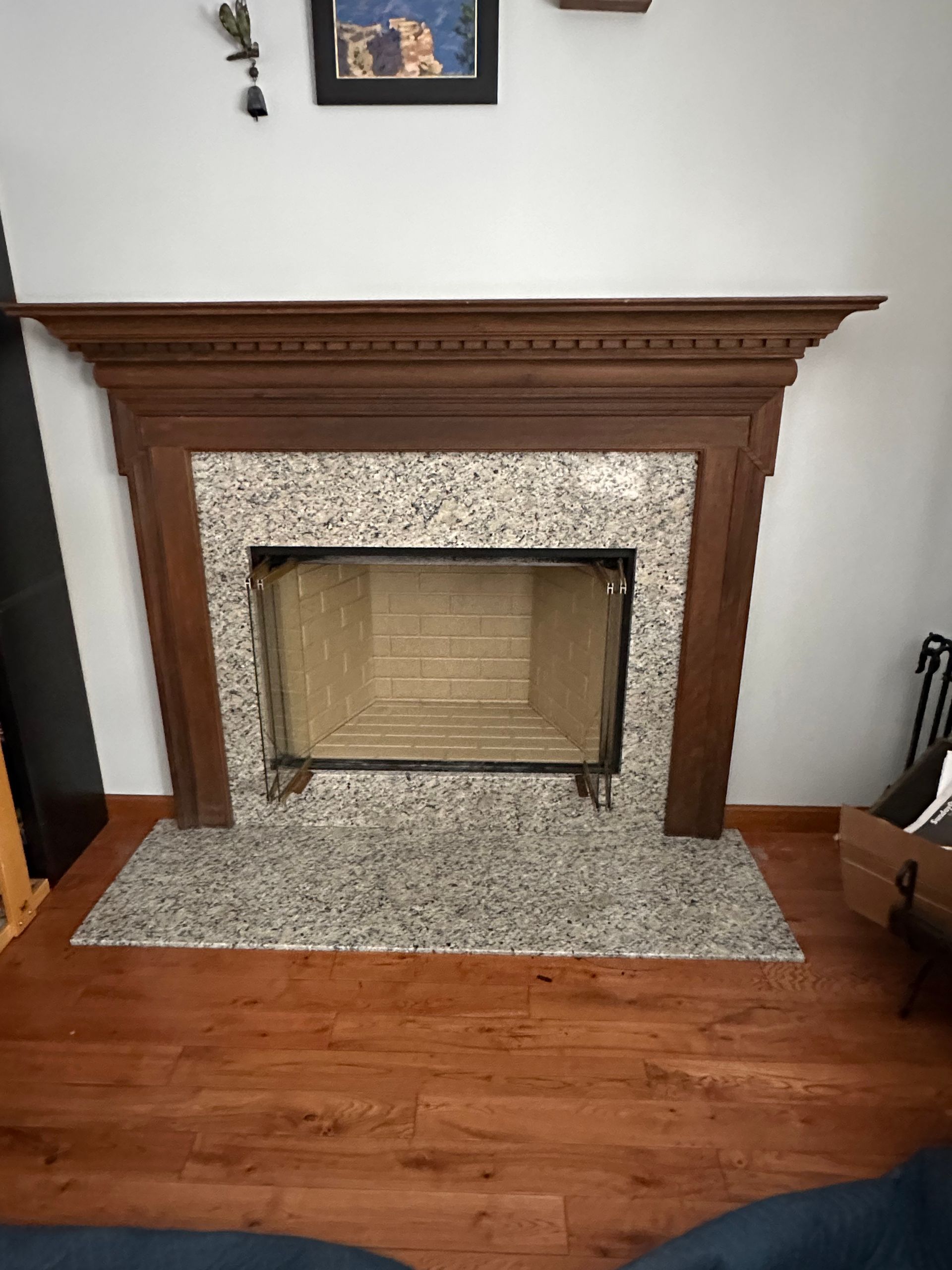
How Damper Installation Addresses Heat Loss
Damper installation involves selecting between a throat damper, which mounts inside the firebox just above the smoke shelf, or a top-sealing damper, which installs at the chimney crown and seals from above with a cable-operated mechanism. Throat dampers are common in older masonry chimneys and provide basic draft control, while top-sealing dampers offer tighter seals and prevent rain entry as well as air leakage. The damper frame is secured to masonry or metal flue walls, and the moving plate or door is adjusted to operate without binding.
After installation, you'll notice that rooms stay warmer during winter because heated air no longer flows up the chimney between fires, and draft control improves so smoke vents properly during burning without pulling excessive air from the room. The fireplace no longer creates cold downdrafts when outdoor temperatures drop, and energy bills decrease because your heating system isn't compensating for air loss through the flue.
Damper repairs involve replacing warped or rusted damper plates, tightening loose hinges, or sealing gaps that develop around the frame due to masonry settling or corrosion. Some older dampers cannot be repaired effectively and require full replacement to restore proper sealing and draft control.
Common Questions About This Service
Downingtown and Coatesville homeowners frequently ask about damper function and energy savings before committing to installation or repair work.
How do I know if my damper is leaking air?
You can feel cold air flowing down through the fireplace when the damper is closed, or you may notice soot and debris falling into the firebox from wind blowing down the chimney, both of which indicate a poor seal.
What is the difference between a throat damper and a top-sealing damper?
A throat damper mounts inside the firebox just above the smoke chamber and operates with a handle, while a top-sealing damper installs at the chimney crown and closes from above with a cable running down the flue, providing a tighter seal against air and weather infiltration.
Can I install a damper in a chimney that never had one?
Yes, many older Chester County chimneys were built without dampers, and a top-sealing damper can be added to any open flue to control draft and prevent heat loss without modifying the firebox interior.
How much energy does a damper save during winter months?
A properly sealed damper can reduce heating costs by preventing hundreds of cubic feet of heated air per hour from escaping through the chimney when the fireplace is not in use.
Do I need to open the damper every time I use the fireplace?
Yes, the damper must be fully open before lighting a fire to allow smoke to vent, and closing it while embers remain will cause smoke and carbon monoxide to enter the room.
1 King Chimney Repair evaluates damper condition and installs replacements suited to your chimney construction and heating priorities in West Chester and surrounding areas. Schedule a property evaluation to identify specific draft and sealing concerns affecting your fireplace.