
Structural Assessment Before Problems Escalate
Chimney Inspections in Downingtown for mortar deterioration and liner damage caused by freeze-thaw cycles
Mortar joint failure appears as crumbling lines between bricks, white mineral staining on the chimney exterior, and small chunks of masonry collecting on the roof or in the firebox below. 1 King Chimney Repair performs detailed chimney inspections to identify these structural issues, liner deterioration, and safety hazards before they require costly emergency repairs. Chester County freeze-thaw cycles cause water to expand inside mortar joints and flue cracks during winter months, forcing masonry apart and accelerating deterioration that compromises both venting performance and structural stability.
The inspection process involves visual examination of the flue interior using cameras that reveal cracks invisible from the rooftop, structural assessment of the chimney crown and masonry stack, and damper operation testing to verify that components move freely without obstruction. Properties in Brandywine River valley communities, Malvern, and Exton frequently show moisture infiltration damage that begins as minor surface cracks but progresses to spalling bricks and separated flue tiles when left unaddressed.
Arrange a structural inspection to document current chimney condition before winter weather worsens existing damage.
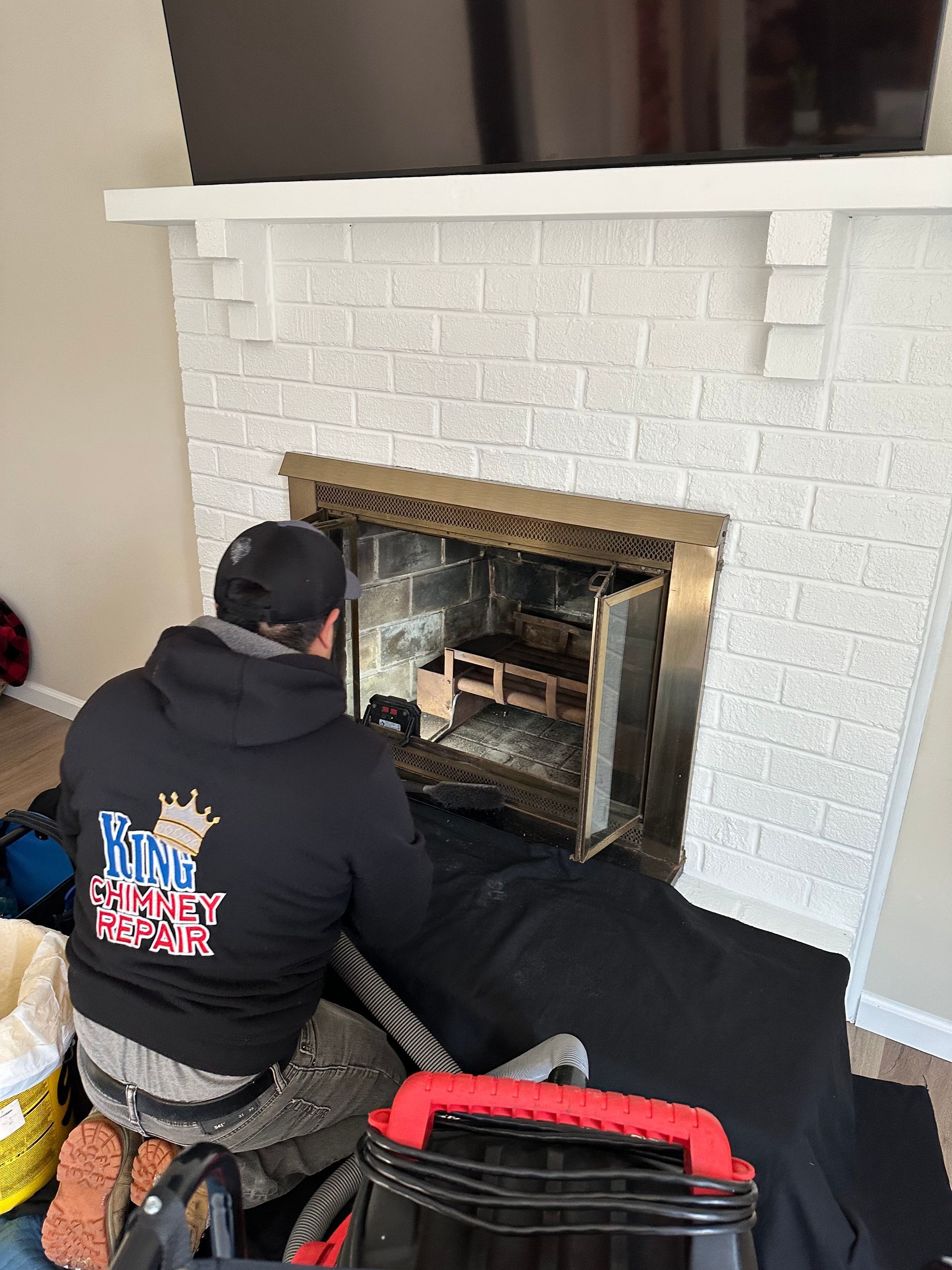
What You Notice Once the Evaluation Completes
Inspections identify specific failure points—cracked flue tiles at bends where temperature stress concentrates, deteriorated mortar joints on the weather-exposed side of the stack, and crown damage where water pools instead of shedding away from the flue opening. The assessment distinguishes between cosmetic surface issues and structural problems that affect safe venting, which is critical because many dangerous conditions remain hidden inside the flue where homeowners cannot see them during routine use.
You receive documentation of crack locations with depth measurements, mortar condition ratings for each accessible section, and a clear explanation of which issues require immediate attention versus those that can be monitored over time. The inspection also reveals whether your liner remains intact or has separated at joints, which directly affects whether combustion gases vent properly or leak into surrounding masonry where they cause accelerated deterioration and potential carbon monoxide infiltration into living spaces.
Pre-emptive repair based on inspection findings prevents emergency situations during heating season and typically costs significantly less than addressing failures after they cause water damage to interior walls or create venting hazards. The inspection process takes between one and two hours depending on chimney height and accessibility, with same-day verbal findings and written reports provided within several business days.
Answers to Frequent Inspection Questions
Homeowners throughout Chester County often ask about inspection timing, what the process reveals, and how findings affect their ability to use the fireplace safely.
What does a chimney inspection reveal that I cannot see myself?
Camera inspection shows the interior flue condition including cracks in clay tiles, creosote thickness at bends, and liner separation at joints—all of which remain hidden when viewing the chimney from the firebox or rooftop.
How often should I have my chimney inspected in Downingtown?
Annual inspections before heating season allow you to track deterioration patterns and schedule repairs during months when contractors have better availability, rather than discovering problems when you attempt to light your first fire in late fall.
Why do freeze-thaw cycles damage chimneys so severely here?
Water absorbed into mortar or cracks expands by roughly nine percent when freezing, which forces masonry apart with thousands of pounds of pressure—this cycle repeats dozens of times each winter in the Downingtown area, progressively widening cracks until structural failure occurs.
What is the difference between a Level 1 and Level 2 inspection?
Level 1 inspections cover readily accessible areas and are appropriate for chimneys in regular use with no changes, while Level 2 inspections include camera examination of the entire flue and are required before property sales or after events like chimney fires or severe weather damage.
Can I still use my fireplace if the inspection finds problems?
Minor mortar deterioration may allow continued use with monitoring, but cracked flue liners or separated tiles create immediate venting hazards that require repair before operating the fireplace to prevent carbon monoxide leakage or chimney fire risk.
1 King Chimney Repair completes inspections throughout Downingtown and surrounding Chester County communities, with scheduling flexibility to accommodate property sale timelines or pre-season maintenance planning. Contact our office to schedule a structural evaluation and receive detailed documentation of your chimney condition.