
Interior Combustion Zones Losing Structural Integrity
Smoker Chamber Repair in Downingtown for damaged interior combustion zones where smoke is produced and channeled toward the flue
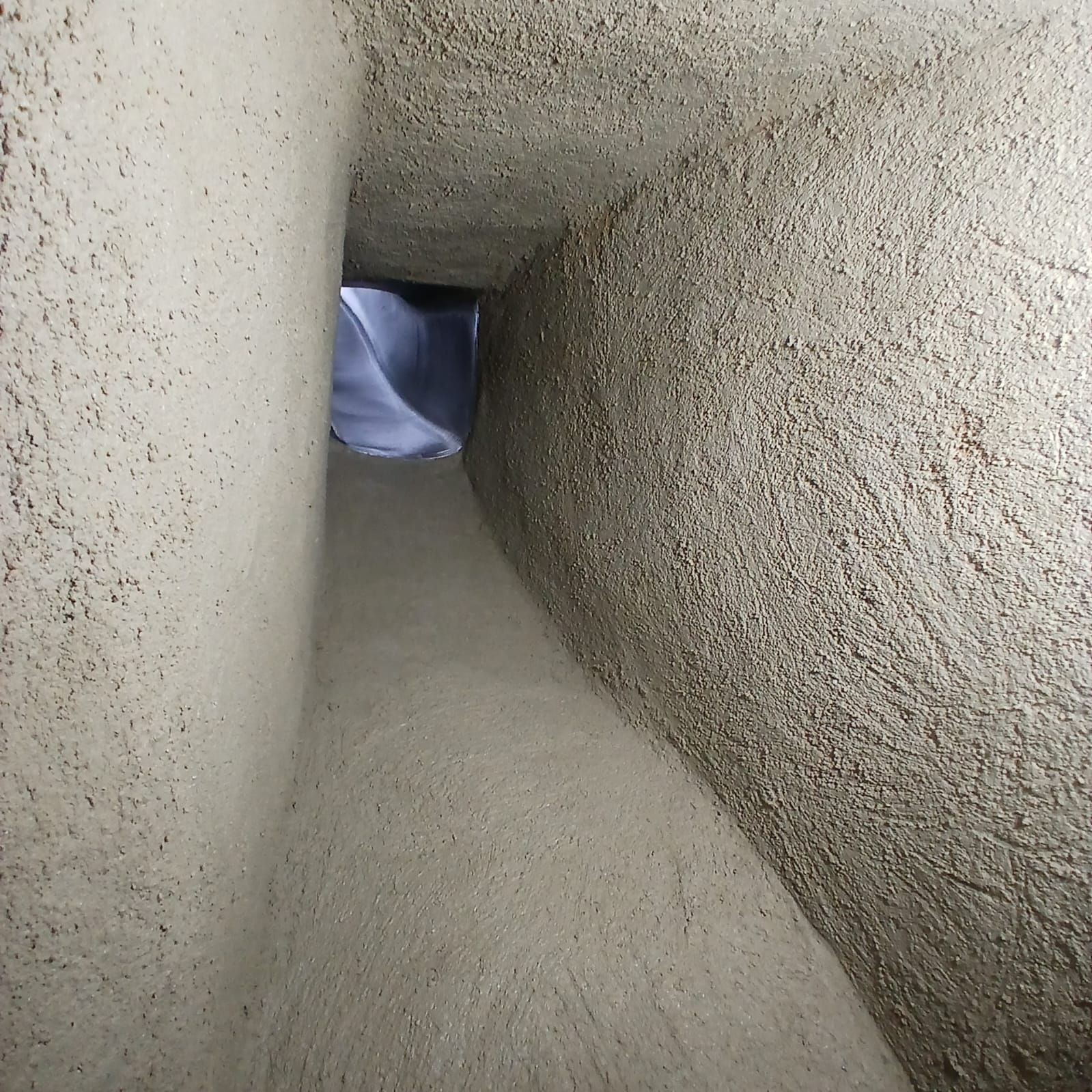
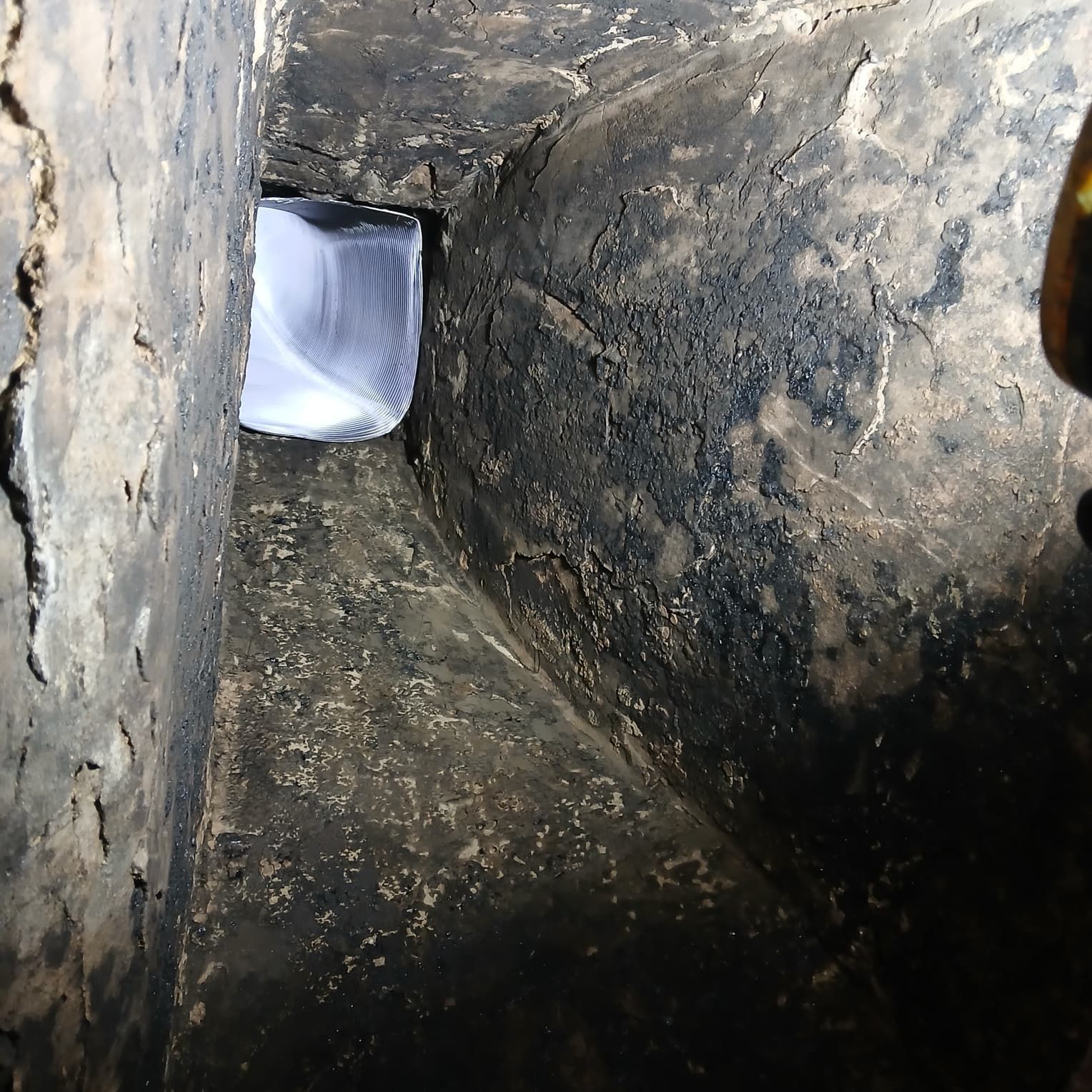
Smoker chambers deteriorate when repeated heating cycles and moisture infiltration break down interior mortar joints and chamber lining materials, creating gaps that disrupt smoke flow and allow heat to escape into surrounding masonry instead of radiating into the home. 1 King Chimney Repair restores these interior combustion zones in Downingtown and throughout Chester County, addressing the structural failures that reduce heating efficiency and create unsafe venting conditions. You notice the problem when fires produce less heat than they should, smoke escapes through cracks into adjacent rooms, or visible mortar gaps appear inside the firebox where the chamber begins.
Chamber repair begins with lining inspection to identify deteriorated mortar, followed by repointing work that removes failed material and replaces it with heat-resistant mortar rated for combustion zone temperatures. Damper realignment ensures the smoke path from chamber to flue remains unobstructed, and flue gas path restoration verifies that combustion byproducts move upward without leaking into the home's interior structure.
Arrange a chamber lining inspection to assess the extent of deterioration in your fireplace or stove system.
How Chamber Restoration Addresses Heat Loss
The smoker chamber sits directly above the firebox and below the flue, forming a transition zone where combustion gases accelerate and compress before entering the vertical venting path. When chamber walls crack or mortar joints fail, this transition becomes inefficient—heat escapes through gaps into masonry that never warms the living space, and smoke disperses into unintended cavities rather than flowing cleanly upward.
After chamber repairs are finished, fires produce noticeably more radiant heat because combustion energy is directed into the home instead of lost through structural gaps, smoke flows directly into the flue without escaping into wall cavities, and dampers operate smoothly because the chamber structure supports proper alignment. These changes become obvious during the first heating cycle after restoration, particularly during Chester County winters when fireplaces and stoves run frequently.
Seasonal use intensity in the region contributes to chamber wear—homes that rely on wood heat throughout winter subject chamber linings to prolonged thermal stress, while properties with occasional decorative fires see slower deterioration. Winter weather damage compounds the issue when freeze-thaw cycles affect moisture that has penetrated compromised chamber walls, accelerating mortar breakdown between heating seasons.

Answers to Frequent Service Questions
Property owners in Downingtown, Kennett Square, and Exton dealing with chamber damage typically ask about the repair process and what determines the scope of work.
What is a smoker chamber and why does it fail?
The smoker chamber is the angled interior space above the firebox where combustion gases compress before entering the flue, and it fails when repeated heating cycles and moisture infiltration deteriorate the mortar joints and lining materials that contain heat and direct smoke flow.
How does mortar repointing restore chamber function?
Repointing removes deteriorated mortar from joints between firebrick or masonry in the chamber walls, replacing it with heat-resistant mortar that withstands combustion temperatures and seals gaps where smoke or heat previously escaped.
When is brick replacement necessary during chamber repair?
Replacement becomes necessary when individual bricks in the chamber lining have cracked completely through or spalled to the point where repointing alone cannot restore structural integrity and heat containment.
What causes damper misalignment in smoker chambers?
Thermal expansion and contraction over many heating cycles can shift the damper frame or warp the damper plate itself, and when chamber walls deteriorate, the structural support for damper mounting degrades, allowing the assembly to tilt or bind.
Why do chamber problems worsen during Downingtown winters?
Freeze-thaw moisture cycles affect any water that has entered compromised chamber walls during the off-season, expanding in cracks and accelerating mortar breakdown just before the heating season begins when the chamber will experience maximum thermal stress.
1 King Chimney Repair completes smoker chamber restoration using heat-rated materials and structural repointing techniques that withstand seasonal use intensity throughout Chester County. Schedule a chamber evaluation to determine what level of repair your system requires before the next heating season begins.