
Flue Integrity Restoration for Aging Masonry
Chimney Liner Installation in Downingtown for cracked flue tiles and dangerous venting failures
Aging masonry chimneys throughout Chester County develop cracks from repeated freeze-thaw cycles, allowing combustion gases to escape into surrounding brick and mortar instead of venting safely to the exterior. 1 King Chimney Repair installs Class A chimney liners to restore flue integrity and prevent carbon monoxide infiltration and fire risk in properties where the original clay tile liner has deteriorated beyond repair. When cracks penetrate through tile joints or run vertically along the flue interior, the chimney can no longer contain the high-temperature gases produced by wood burning or gas appliances, creating conditions where heat ignites creosote deposits inside wall cavities or toxic fumes seep into living areas.
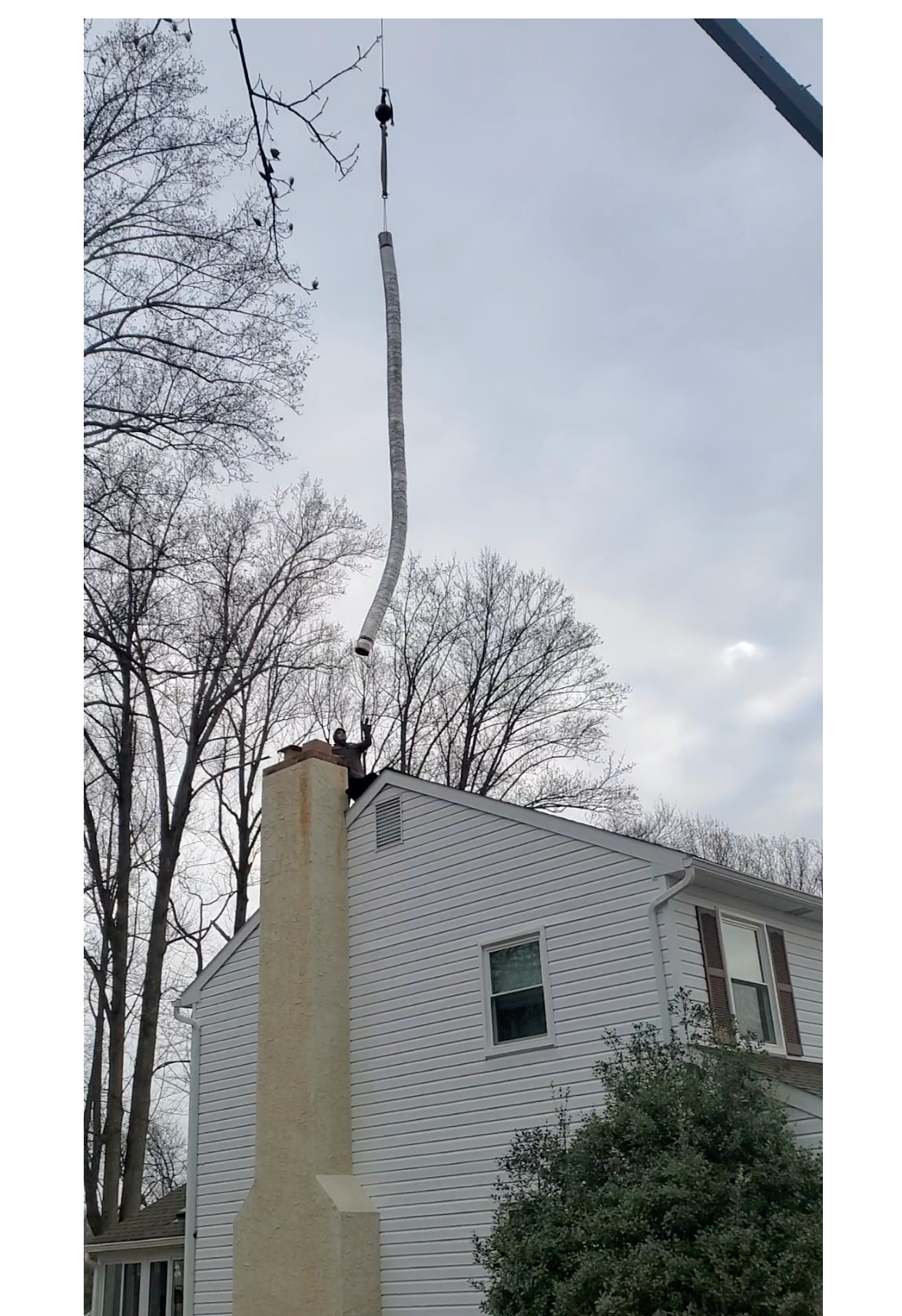
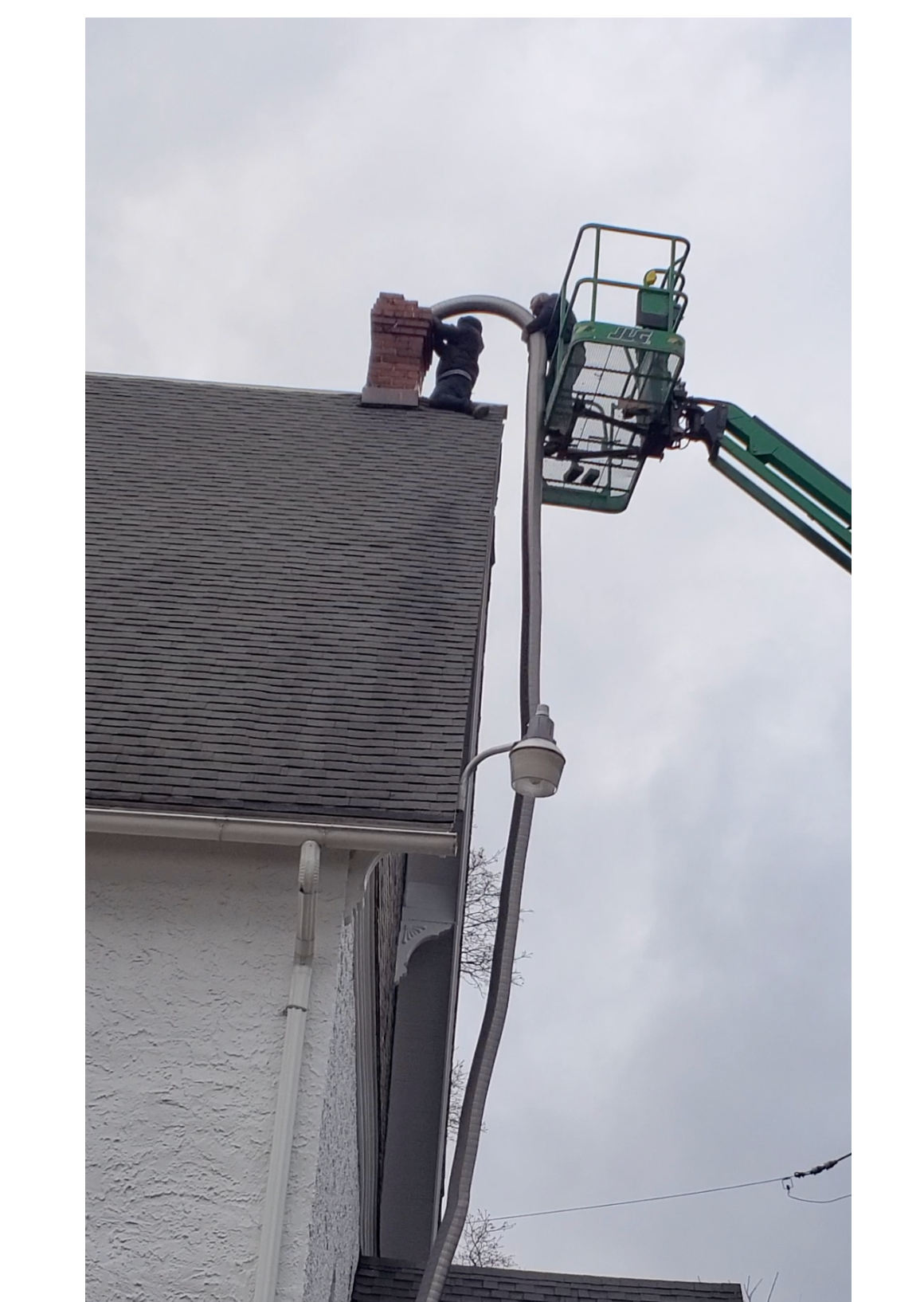
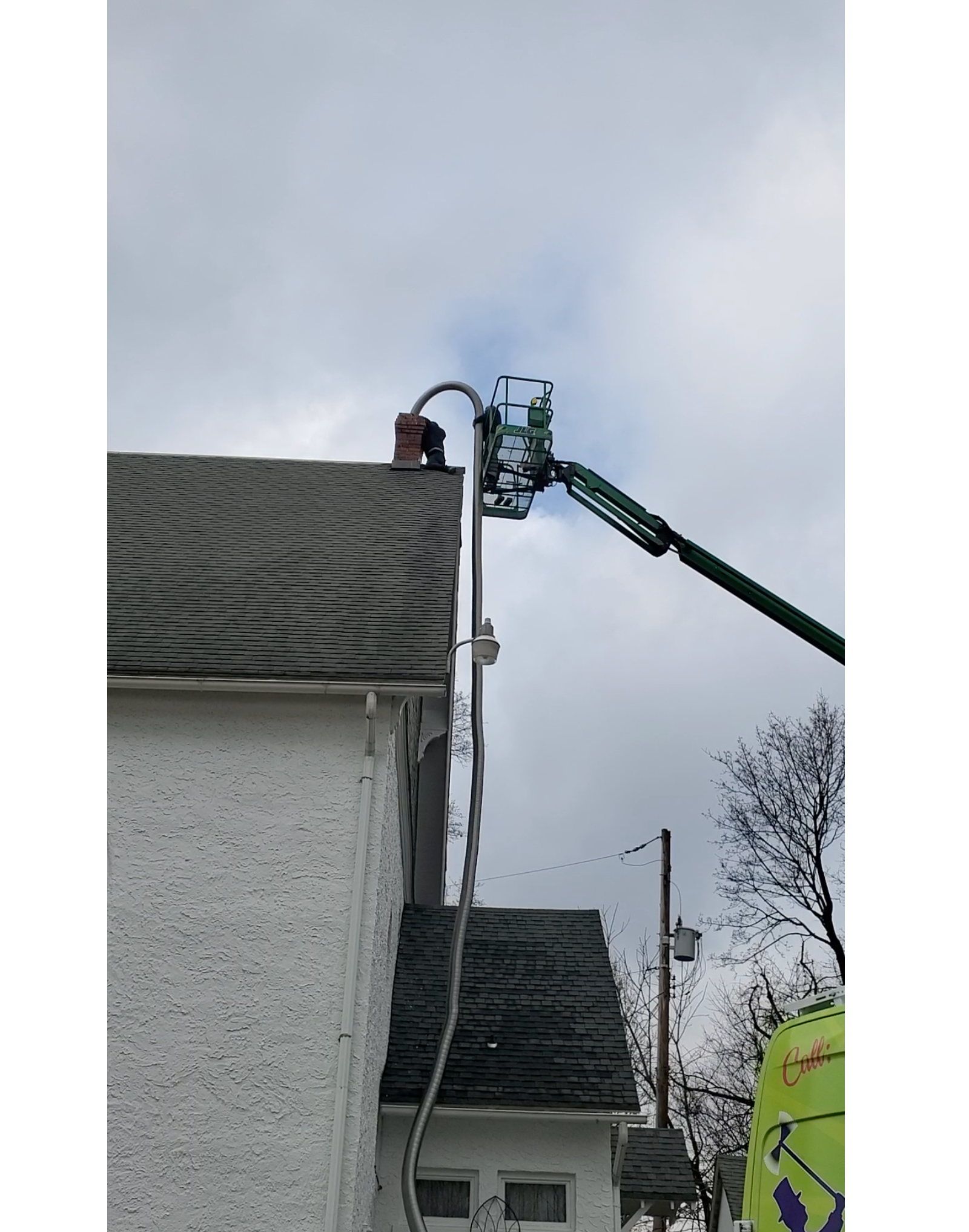
The liner installation process begins with precise flue measurement from the appliance connection point to the termination above the roofline, followed by sizing calculations that account for the heating appliance type and BTU output. Stainless steel liners are inserted from the top down through the existing masonry chase, then connected at the bottom to your fireplace, insert, or furnace with proper clearance maintained throughout. Properties along the Route 1 corridor, West Chester, and Kennett Square frequently require liner installation when inspection reveals that original clay tiles have separated at joints or cracked due to thermal stress and moisture damage.
Request a flue measurement consultation to determine appropriate liner sizing for your specific heating appliance and chimney configuration.

How Liner Replacement Addresses Venting Failure
New liner installation creates a continuous stainless steel or ceramic barrier from your appliance to the chimney top, eliminating the gaps at tile joints where combustion gases previously leaked into the masonry structure. The liner is sized according to the appliance it serves—undersized liners restrict draft and cause smoking, while oversized liners allow gases to cool too quickly and deposit excessive creosote. Proper termination at the top includes a cap that prevents rain entry while maintaining required clearance above the roof surface.
After liner installation by 1 King Chimney Repair, your heating appliance vents consistently without backdraft or smoking into the room, even during weather conditions that previously caused draft problems. You eliminate the carbon monoxide risk associated with cracked flue tiles, and you prevent further structural deterioration because combustion gases no longer contact the deteriorating masonry. The stainless steel surface also resists creosote adhesion better than rough clay tiles, which makes annual sweeping more effective and reduces the fuel available for chimney fires.
Liner installations are permanent solutions that typically last several decades with proper maintenance, unlike temporary sealant repairs that fail within one or two heating seasons. The work requires one to two days depending on chimney height and accessibility, with full draft testing completed before returning the system to operation.
Common Questions About Liner Systems
Property owners replacing failed flue liners in Downingtown often ask about material differences, sizing requirements, and how the installation affects their ability to use different heating appliances.
What causes clay flue tiles to crack in Chester County chimneys?
Freeze-thaw cycles force absorbed moisture to expand inside the porous clay material, creating stress cracks that widen over years of seasonal temperature swings—this process accelerates when chimney crowns are damaged and allow direct water entry.
How is the liner size determined for my chimney?
Liner diameter is calculated based on your appliance type and BTU output, with wood stoves and fireplaces requiring larger diameters than gas furnaces to handle the volume and temperature of combustion gases produced during operation.
Why do some chimneys need insulated liners?
Insulation is required when the liner runs through an exterior chimney or unheated chase where cold surrounding temperatures cause excessive condensation, which leads to creosote buildup and draft problems that affect venting performance.
Can I install a new liner without rebuilding the entire chimney?
Liner installation preserves the existing masonry structure and costs significantly less than full chimney reconstruction, provided the outer brick stack remains structurally sound without severe leaning or separated sections.
What happens to the old clay tiles during liner installation?
The original tiles remain in place surrounding the new stainless steel liner, which eliminates the cost and structural risk associated with removing deteriorated tiles from inside a masonry chimney that may be several stories tall.
1 King Chimney Repair installs chimney liners throughout the Downingtown area with proper sizing, termination, and safety compliance for wood, gas, and oil-burning appliances. Schedule a flue evaluation to determine whether liner replacement will restore safe venting to your damaged chimney system.